
How to Identify Early Signs of Roof Damage Before Costly Repairs Are Needed
Introduction
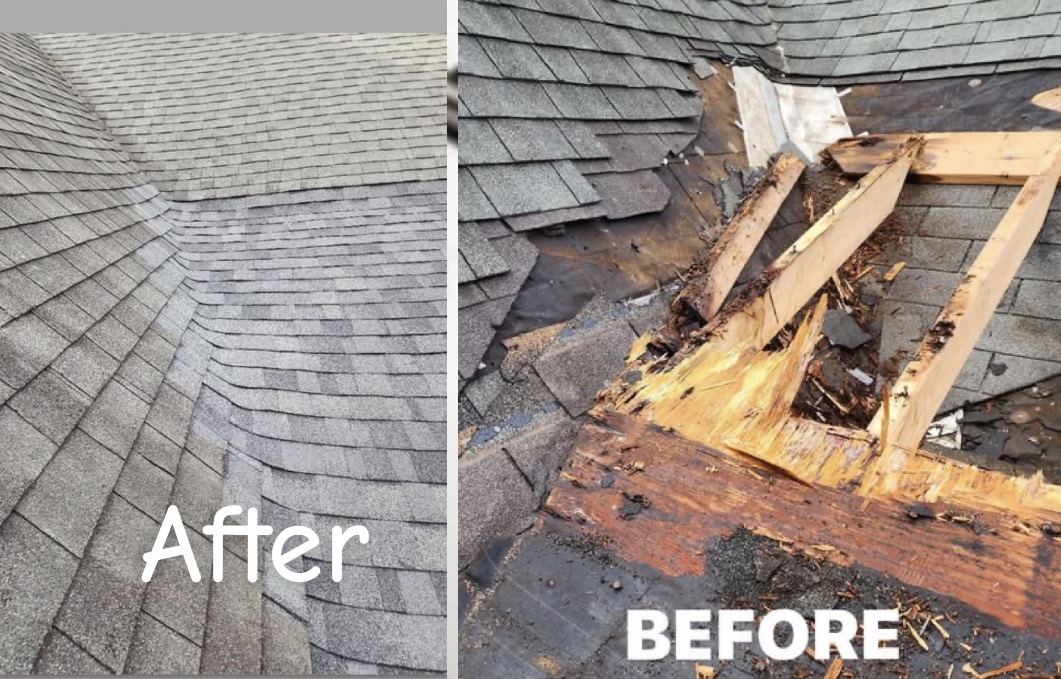
Your roof is your home’s first line of defense, but early signs of roof damage often go unnoticed until a minor issue turns into a major expense. Learning what to look for and taking preventative action protects your property, saves on repairs, and ensures peace of mind year-round.
The Subtle Warnings Above: Recognizing Early Roof Distress
Take a close look at your shingles—bare spots, curling edges, or missing pieces are often the first indicators of trouble. In the wind-prone, salty air of Chesapeake, Hampton Roads, and Virginia Beach, these early signs of roof damage appear faster than most expect. Granule loss, black specks in gutters, water stains on ceilings, minor leaks near vents, and damaged flashing all point to underlying issues. The region’s humid summers and harsh winters accelerate the aging of asphalt shingles, loosen metal fasteners, and strip away protective granules through intense UV exposure. Ignoring these warnings can lead to a leaky roof, soaked insulation, warped drywall, and repair costs that double in just one season.
Quick Visual Roof Inspection Tips
Step back during your next exterior home inspection and note color changes; dark patches often indicate granule loss. Use binoculars to check for lifted shingle tabs, especially after storms. Walk the perimeter and look for shingle fragments or rusty nails on the ground.
Keep a simple roof inspection checklist handy: log the date, weather, and any suspicious findings. Spotting defects early can prevent costly roof repairs, which may average $400–$1,500 for minor fixes but can soar above $9,500 for replacements if neglected. Clark Roofing and Siding offers routine inspections by Class A certified professionals with hands-on evaluation to document issues before insurance deadlines.
Beneath the Surface: Attic and Interior Clues You Cannot Ignore
Sometimes, the roof’s exterior appears intact, but a musty odor inside signals hidden problems. Damp insulation beneath a sagging roof deck is often to blame, especially after heavy coastal rains, as microscopic leaks travel down rafters. During attic inspections, shine a light across rafters, dark streaks or mold suggest past moisture. Gently press insulation; if it feels spongy or cold, unseen water may be soaking ceiling materials above. Look for daylight peeking through nail holes or around vents.
If you notice a sagging roofline indoors or bubbling paint on upper walls, contact a professional roofing contractor immediately. Clark Roofing and Siding performs thorough moisture and structural assessments to identify hidden issues early. Our property management roofing division logs all findings into a digital portal, allowing homeowners and commercial clients to track repairs, schedules, and budgets in real time.
Key Point
Interior signs often appear weeks after exterior damage, so pairing attic inspections with regular external reviews is the best way to identify roof damage early.
Weathering the Storm: Coastal Roof Damage and Seasonal Threats
Living near the Atlantic brings both beauty and risk. Coastal roof damage is common, with wind-driven rain exceeding 60 mph during storms, prying at flashing and forcing water beneath shingles. Salt-laden air corrodes fasteners and accelerates roofing material wear, while temperature swings cause expansion and stress that can break sealant. Granule loss becomes evident sooner, and leaky roof problems multiply when gutters fill with storm debris.
Region-Specific Roof Maintenance Tips
Schedule a professional exterior home inspection within 48 hours after a named storm. Rinse metal panels with fresh water twice yearly to remove salt buildup. Trim tree branches back at least six feet; high winds turn limbs into hammers in Hampton Roads.
Clark Roofing and Siding fabricates custom metal roofing in-house, tailoring panels to local wind-uplift codes. With nearly 30 years of experience, this approach ensures faster lead times and stricter quality control than solutions that rely on distant suppliers. Ongoing staff training means you receive roofing solutions designed to withstand 140-mph gusts while reflecting sunlight for improved cooling savings, aligning with national cool-roof trends.
Proactive Measures: Maintenance, Materials, and Choosing the Right Partner
Preventing costly roof repairs requires a three-part strategy: routine upkeep, quality materials, and a partner who values transparency. Use this seasonal roof maintenance checklist to stay ahead.
Seasonal Roof Maintenance Checklist
Spring
Clean gutters, check damaged flashing, inspect sealant around skylights
DIY + Pro
Pollen and storms clog drains; loose flashing can cause water stains on ceilings
Summer
Inspect for sagging rooflines, granule loss, UV cracks
DIY
High UV exposure in Virginia Beach dries asphalt oils, causing shingle brittleness
Fall
Remove leaves, secure loose shingles, and schedule a complete attic inspection
DIY + Pro
Debris holds moisture; finding leaky roof spots before winter saves heating costs
Winter
Monitor ice dam areas, inspect after nor’easters
Pro
Freeze-thaw cycles widen nail holes, increasing repair costs by spring
Clark Roofing and Siding offers premium asphalt, synthetic, and Class A impact‑rated roofing options that provide far better durability than standard commodity shingles, which still make up most U.S. installations. We also specialize in high‑quality metal roofing, crafted through our in‑house fabrication capabilities to ensure a precise fit and long‑lasting performance. Reflective roof coatings are available as well, helping reduce heat absorption and easing the strain on HVAC systems, which can contribute to lower cooling costs.
When choosing a roofing contractor, request proof of licensing, insurance, manufacturer certifications, and sample inspection reports. Clark Roofing and Siding provides these documents, customizes timelines, and offers phased work options, essential as building material costs continue to rise.
Managing Multiple Properties: Roofing Solutions for Property Managers and Commercial Owners
Managing properties across Norfolk, Chesapeake, and Hampton can be a challenge without a consistent plan. A successful property management roofing program should include routine assessments that fit around tenant schedules, coordinated vendor relationships for streamlined repairs, and detailed reporting aligned with annual budgets.
Preventative maintenance programs can extend roof life by 25–100 percent and reduce ten‑year expenditures by 56 percent on a 100,000‑square‑foot roof. Clark Roofing and Siding’s commercial division provides thorough, hands‑on inspections designed to identify early signs of wear before they develop into leaks or structural problems. When urgent issues arise, our team responds quickly to assess the situation and help property managers determine the safest and most effective next steps. While we don’t perform repairs during active storms, we prioritize clear communication and fast scheduling as soon as conditions allow.
Distinctive Craft and Selection Guidance
Here is what sets Clark Roofing and Siding apart and how to choose the right system for your property.
Safeguarding Your Investment: Take Action Before Damage Escalates
Whether you own a single home in Virginia Beach or manage multiple properties across Hampton Roads, the lesson is clear: small roof problems homeowners overlook today can lead to costly emergencies tomorrow. Missing shingles, granule loss, musty attic odors, or loose flashing are all early signs of roof damage that threaten structural integrity and indoor air quality. By combining a thorough roof inspection checklist with seasonal maintenance, superior materials, and a transparent partner like Clark Roofing and Siding, you can prevent costly roof repairs, control long-term expenses, and protect your property’s value.
Conclusion
Protecting your roof starts with recognizing subtle warning signs and acting before small problems escalate. Clark Roofing and Siding’s expertise in inspections, materials, and tailored solutions empowers you to address issues early and avoid expensive repairs. Take control of your property’s future and ensure long-term peace of mind—visit our Residential & Commercial Roofing page today.